
Shilajit: Ayurveda's 'Destroyer of Weakness'
The name Shilajit translates to 'destroyer of weakness' in Sanskrit. This ancient mineral-rich substance has a fascinating story.
Shilajit: Ayurveda's 'Destroyer of Weakness'
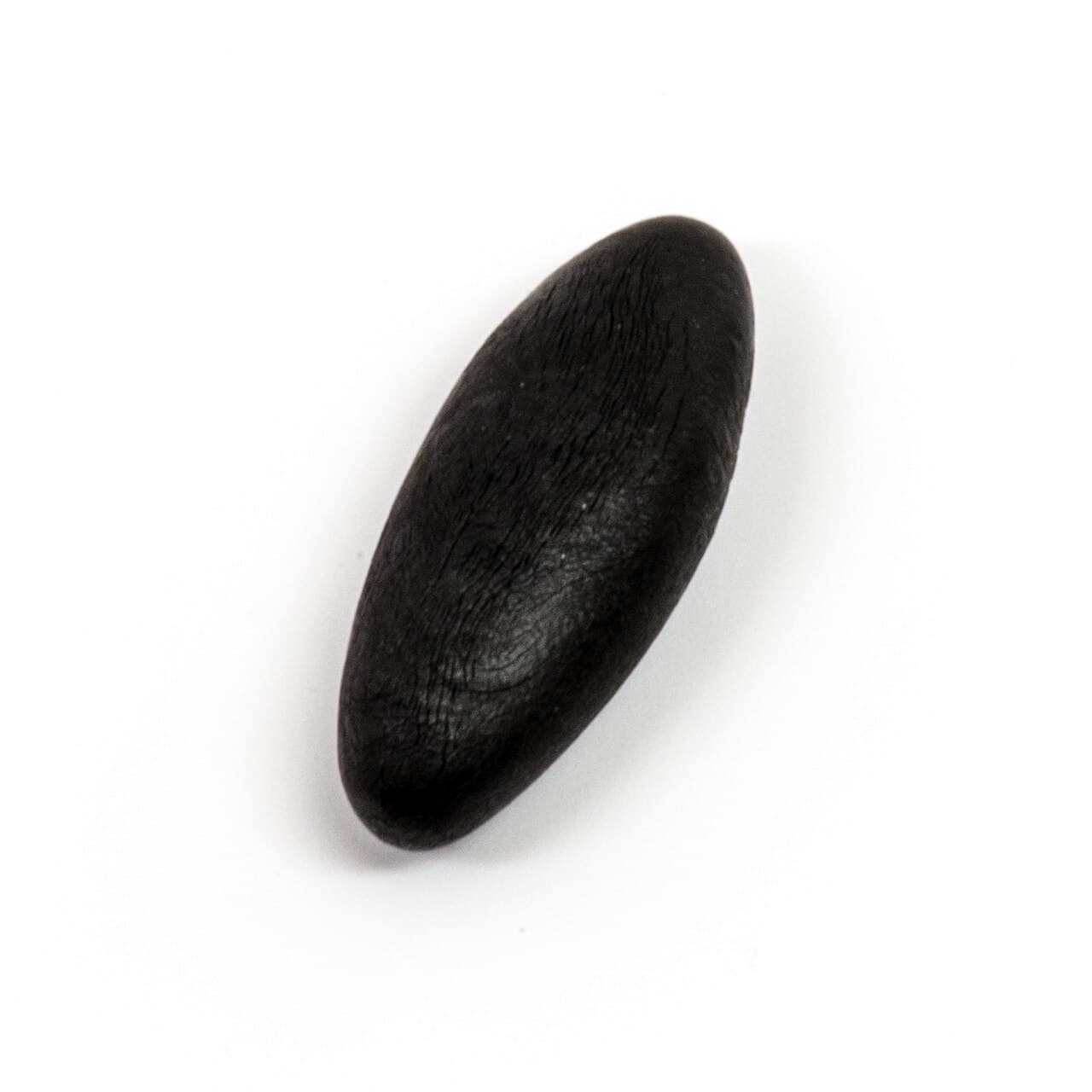
Shilajit — derived from the Sanskrit words Shila (rock) and Jit (conqueror) — is sometimes translated as "conqueror of mountains" or "destroyer of weakness." This dark, tar-like substance exudes from high-altitude rocks, primarily in the Himalayas, during the warmer months.
Formation and Sourcing
Shilajit forms over centuries from the slow decomposition of plant matter compressed between mountain rocks. The resulting substance is rich in fulvic acid, minerals, and other bioactive compounds.
Traditional Ayurvedic Use
In classical Ayurveda, Shilajit is classified as a Rasayana — a class of substances used to support rejuvenation and longevity.
Disclaimer: These are traditional uses documented in Ayurvedic texts. Modern clinical evidence is limited. Consult a practitioner before use.
More from the Herbal Apothecary
Ashwagandha for Men: Traditional Ayurvedic Wisdom for Modern Life
Discover how this ancient Ayurvedic herb has been traditionally used to support male vitality and energy for thousands of years.
WellnessDigestion According to Ayurveda: Understanding Your Agni
In Ayurveda, a healthy digestive fire (Agni) is considered the cornerstone of good health. Here is what the classical texts tell us.
Women's WellnessShatavari: The Queen of Ayurvedic Herbs for Women's Wellness
Shatavari has been called the 'Queen of Herbs' in Ayurveda. Learn about its traditional role in women's health.