
Ashwagandha for Men: Traditional Ayurvedic Wisdom for Modern Life
Discover how this ancient Ayurvedic herb has been traditionally used to support male vitality and energy for thousands of years.
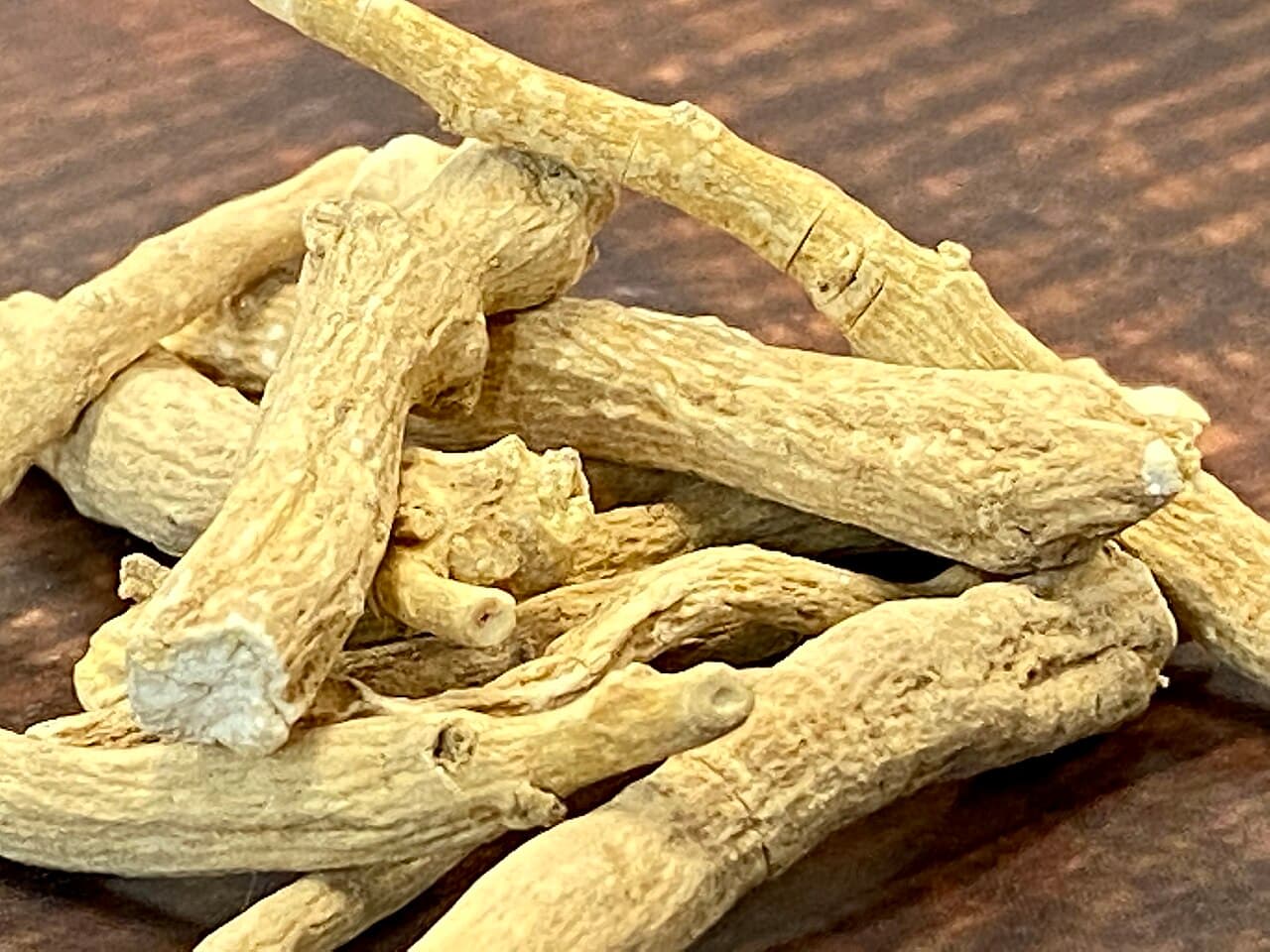
Ashwagandha for Men: Traditional Ayurvedic Wisdom for Modern Life
Ashwagandha (Withania somnifera) — known as the "king of Ayurvedic herbs" — has been a cornerstone of traditional Indian medicine for over 3,000 years.
What the Texts Say
Classical Ayurvedic texts like the Charaka Samhita and Ashtanga Hridayam mention Ashwagandha extensively as a Rasayana — a rejuvenating herb for overall wellness and longevity. It is classified as a Balya (strength-promoting) and Vrishya (vitality-supporting) herb.
Traditional Uses
In classical Ayurveda, Ashwagandha has been traditionally used to support energy and physical endurance, healthy stress responses, overall male vitality, sleep quality, and healthy weight management.
Disclaimer: These statements have not been evaluated by any regulatory authority. This herb is not intended to diagnose, treat, cure, or prevent any disease.
How It Has Been Used Traditionally
The most common traditional preparation involves taking Ashwagandha root powder with warm milk. This combination — called Ksheerapaka in Ayurveda — is thought to enhance the herb's beneficial properties.
A Word of Caution
While Ashwagandha has a long history of traditional use, it is not suitable for everyone. Those with thyroid conditions, autoimmune disorders, or those taking certain medications should consult a qualified practitioner before use.
More from the Herbal Apothecary
Digestion According to Ayurveda: Understanding Your Agni
In Ayurveda, a healthy digestive fire (Agni) is considered the cornerstone of good health. Here is what the classical texts tell us.
IngredientsShilajit: Ayurveda's 'Destroyer of Weakness'
The name Shilajit translates to 'destroyer of weakness' in Sanskrit. This ancient mineral-rich substance has a fascinating story.
Women's WellnessShatavari: The Queen of Ayurvedic Herbs for Women's Wellness
Shatavari has been called the 'Queen of Herbs' in Ayurveda. Learn about its traditional role in women's health.